Back in the 1960s, Phil Knight wasn’t building a fashion company. He was importing Japanese running shoes from Onitsuka Tiger and selling them out of the trunk of his car at track meets.
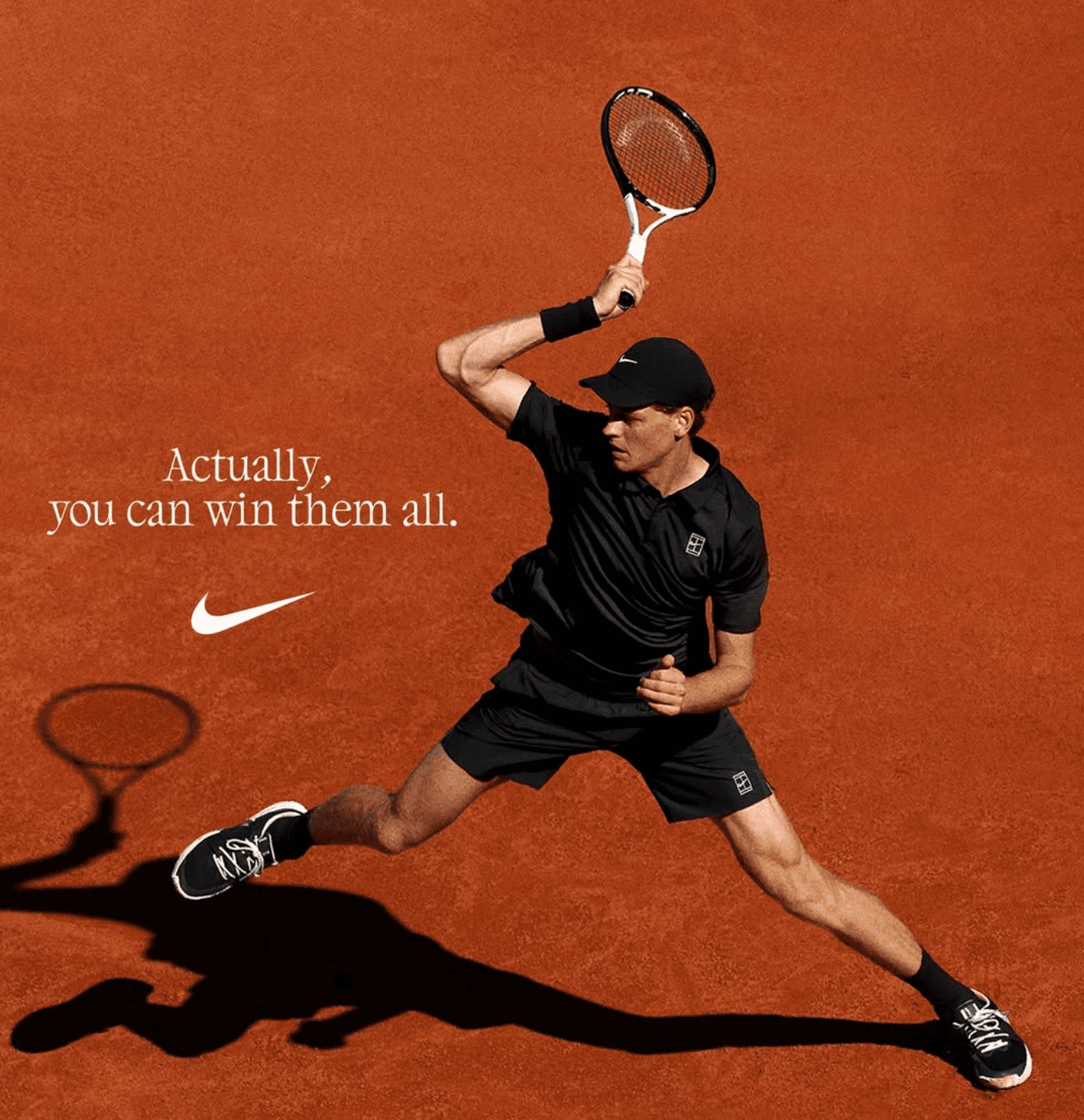
Nike turned a high school track obsession into a $180B empire.
Here’s how it happened.
1/ The trunk strategy
Back in the 1960s, Phil Knight wasn’t building a fashion company.
He was importing Japanese running shoes from Onitsuka Tiger and selling them out of the trunk of his car at track meets.
At the time, Adidas dominated performance footwear. German engineering. Olympic athletes. Massive brand authority.
Nike had none of that.
So Phil went niche.
Instead of trying to sell to everyone, Nike obsessed over runners. Specifically serious runners.
Track athletes. Coaches. Marathon nerds.
Tiny market. Fanatical buyers.
Phil and legendary coach Bill Bowerman worked directly with athletes, tweaking shoes constantly. Bowerman famously poured rubber into his wife’s waffle iron trying to invent better traction.
The company became runner-first before it became culture-first.
2/ The positioning
Most shoe brands marketed products.
Nike marketed identity.
That was the unlock.
Ads stopped talking about rubber soles and stitching. They talked about ambition, pain, obsession, winning.
Then came “Just Do It.”
Three words that turned athletics into emotion.
You didn’t need to be an Olympian anymore. Nike sold the feeling of becoming one.
3/ The Michael Jordan gamble
In 1984, Nike signed a rookie named Michael Jordan.
At the time, Converse owned basketball. Adidas was bigger globally.
Jordan actually wanted Adidas first.
But Nike pitched something different: build the brand around the athlete.
Not just a sponsorship. A world.
Air Jordan launches.
The NBA bans the shoes for violating uniform rules. Nike turns the controversy into advertising.
Every fine became marketing fuel.
Air Jordan generated over $100M in revenue in its first year.
4/ Expansion
Nike kept repeating the same formula.
Find subcultures early.
Own the emotional identity.
Turn athletes into mythology.
Running. Basketball. Skateboarding. Soccer. Fitness.
Each category became its own movement.
5/ My take
Nike never beat Adidas by making “better shoes.”
They won by owning aspiration.
Most brands market utility. The great ones market transformation.
People weren’t buying sneakers.
They were buying discipline, ambition, confidence, status.
The product became secondary to the story.
That’s the real business.